The Power of Community and Networking for Career Growth
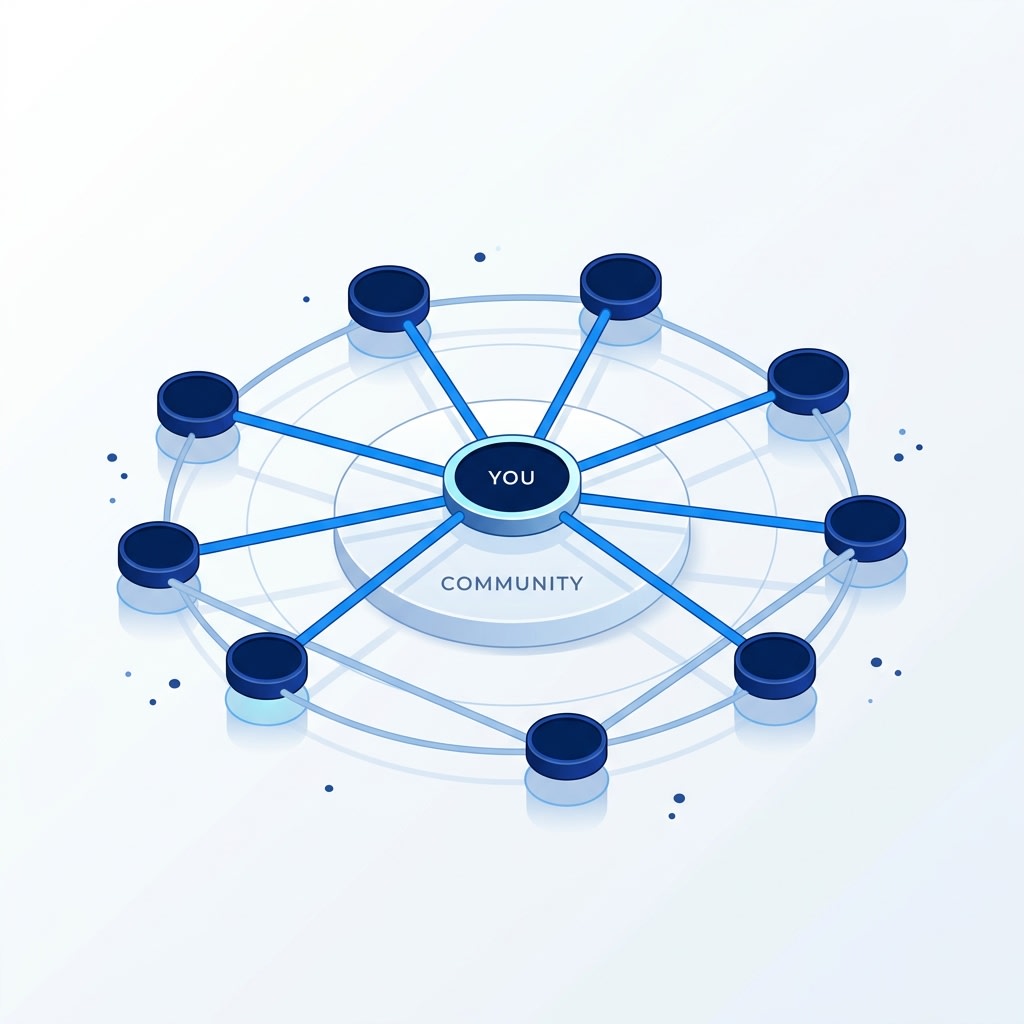
Not everyone enjoys networking. The whole thought of meeting people, introducing yourself, and what you do can be a chore, especially if you are not the type to put yourself out there — I get it! On some occasions, networking is awkward and draining.
I hate to break it to you but, as an individual who's looking at upskilling and a growth in career, it is essential to get out of your comfort zone; being adaptable, flexible, and self-aware can make a huge difference in your career growth.
A growth in one's career is as important as air. It is a journey that is all about progressing and advancing in your profession. Getting too comfortable with the little achievements you have can slow down the process of achieving your goals. To get there, you'll want to focus on continuous learning, networking, and delivering top notch performance.
I love to share my journey into the tech space as an example. After completing my Content Writing course, I was really worried about what to do, how to find a brand that would employ me as a beginner, to top it all, I am terrible at putting myself out there. Not in a professional manner but, I had to learn and lucky for me, my first volunteer job was a connection from the founders. This boosted my self confidence and my zeal to go get on LinkedIn, start connecting with people, and start applying for volunteer jobs. I wouldn't have had that if I was just keeping to myself, not showing up as much as I should, and networking.
Building a strong community and networking can be a total game changer for your career growth. When you surround yourself with people who support and encourage you, this boosts your confidence and motivates you to pursue your goals. This connection can also provide valuable guidance, helping you navigate challenges and make informed decisions about your career.
Community vs. Networking
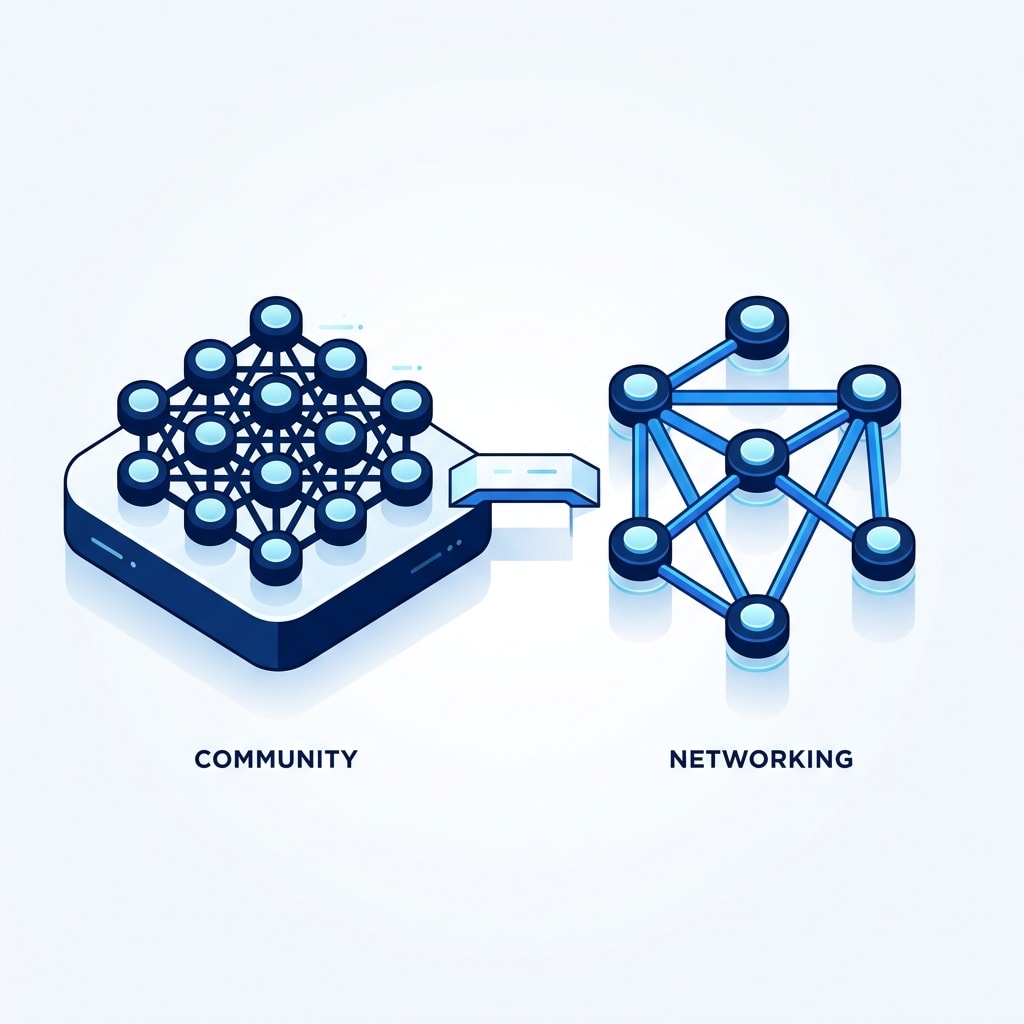
Community is a group of individuals who share similar professional interests, values, and goals. Having a strong community helps you stay up-to-date with industry trends, giving you access to training and conferences that can help you develop new skills.
Networking on the other hand, is not just about collecting business cards and connecting with people on LinkedIn or exchanging professional information. It's more about building genuine relationships with people who can offer support, guidance, and encouragement throughout your career. Networking can also open doors to new opportunities, like job openings, collaborations, or mentorship.
Community and networking are closely interconnected and often go hand in hand to enhance each other. I would be highlighting the relationship between these two:
1. Community as a Foundation for Networking
Being a member of a community gives you a sense of belonging and connects you with others who also share similar traits and goals as you do. This foundation enables you to pull meaningful relationships and networks.
2. Networking Strengthens Community
Networking helps you to build trust and strong relationships among community members. It's about nurturing an existing relationship within a community. Trust is essential for a cohesive and resilient community, which can empower individuals with mentors, role models, and opportunities for personal and professional growth. This empowerment leads to strength and vitality of the community.
3. Opportunities and Collaboration
Networking opens up opportunities for collaboration on group projects, initiatives, and events in a community. This enables shared knowledge, expertise, and resources. That can help address common challenges, improve skills, and enhance community capacity.
Take me as an example — being a community member of TrybebyFUSE has given me so many opportunities like job openings, access to ask for assistance from other members of the community, and chances to offer my expertise or ideas.
4. Shared Goals and Foster Connections
The whole purpose of being part of building a community is to meet people who share similar interests, passion, and goals. When you network and build genuine relationships within a community, this can help foster a sense of belonging by connecting you with others who have the same goals and objectives as you do.
Being in a community and actively networking can enrich your life in many ways. From providing support, opportunities, and serving as a sense of connection. Let's discuss some of these benefits.
Benefits of Active Networking and Community
1. Sense of Belonging and Personal Growth
One bitter truth about life is that you can't do it all alone. You would always need people to motivate, push, and encourage you. When there is an establishment of a genuine relationship within a community, there is a sense of belonging which can help you stay motivated, overcome challenges, and achieve your goals.
2. Diverse Perspectives and Improved Skills
When you are an active member of a community, it exposes you to different perspectives and ideas that can broaden your understanding and help you think more creatively and critically. This helps you stay up to date with current trends and best practices.
3. Personal and Professional Growth
My first job, I was given a task to create a content calendar for the month. I had no idea what the process of creating a content calendar was but I knew I had someone who is a content facilitator and my role model, that I can always go to for guidance. I texted her with my challenge and she told me what to do.
When you put yourself out there and be part of a community, it connects you with mentors, role models, and opportunities for growth that advances your career and achieve your goal.
4. Resource Sharing and Job Recommendations
Communities often share resources, knowledge and tips that can help you develop your skills. Some communities help members get jobs by recommending them for job openings and positions.
Now that you know the benefits of networking and joining communities, I would walk you through tips on becoming an effective networker!
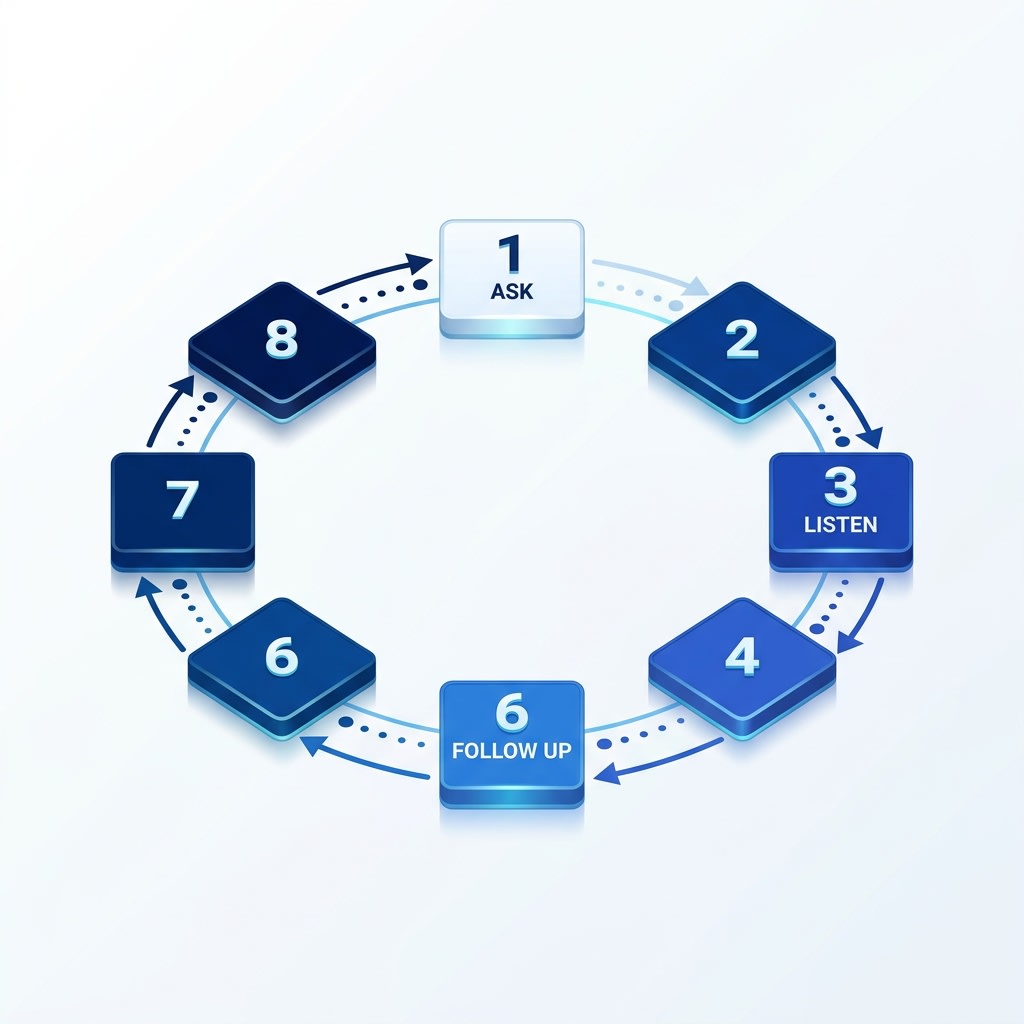
7 Effective Networking Tips
- Start early. It is important to start where you are. You don't have to wait until you need something before you start networking. Build relationships before you need them.
- Have a clear ask. When asking for something, you should be specific and reasonable, whether it's advice, a collaboration, or a job opportunity. Know what you want to achieve from your networking efforts, to help you make meaningful connections. Make sure to ask one thing per person, so you don't burden them.
- Prepare your pitch. Craft and practice a brief, compelling summary about your background, interests, and goals. You should read your pitch aloud to avoid errors when introducing yourself. Introduce yourself with confidence.
- Ask questions. You are not just going to introduce yourself and ask for favors. You must show genuine interest in others by asking questions about themselves, their work, experiences, and opinion.
- Have relevant conversation starters. Before approaching anyone, you should have some important questions or topics ready to break the ice and keep the conversation flowing. An awkward silence is a bad first impression.
- Practice active listening and note taking. Now that you have successfully introduced yourself and asked questions, it is essential to pay attention to what others have to say and respond thoughtfully. This shows that you value their input. After meaningful conversations, jot down notes about the person and what you discussed, to help you remember important details for future use.
- Practise following up. Always follow up with the people you meet and connect with. Send them a personalized message, thank them for their help, advice or collaboration to keep the connection alive.
Final Thoughts
Networking and being an active member of a community are very linked, and when done effectively, it can have a powerful impact on both personal and professional growth.
By building meaningful relationships, sharing resources, offering support, and collaborating on projects, community members can achieve more together than they would individually. Networking helps build strong relationships and trust. Networking is not just about collecting contacts or advancing in one's own interest, but fostering a sense of belonging, mutual support, and collective success.
If you are still trying to figure out what networking style would work best for you, take this quiz!
About FUSE Varsity
FUSE Varsity is an across-the-board varsity for individuals seeking to equip themselves with the essential skills and knowledge needed to thrive in the ever-evolving landscape of the future of work. Be a FUSE Scholar here.

