Why Soft Skills Matter as Much as Technical Skills in Today's Job Market
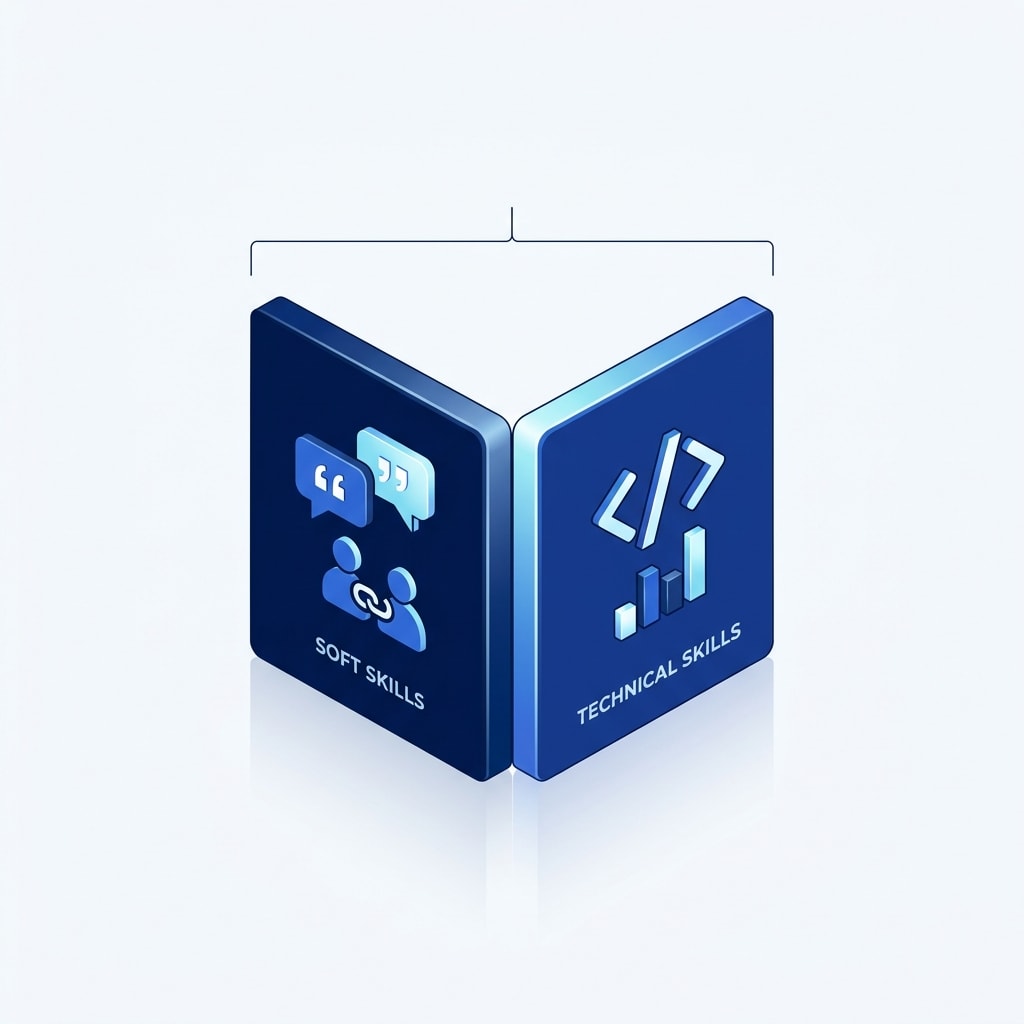
More than three decades ago, having a certificate (technical skill) was enough for you to get hired for a position in an organization but that has changed a lot in today's job market. Having a degree or coming out with first class is no longer that much of a pass into getting a job you admire. When applying for jobs these days, we often see on job descriptions, recruiters seeking soft skills like communication, critical thinking, leadership, growth mindset, and teamwork.
Don't get me wrong, I am not saying one is better than the other; both technical and soft skills complement each other. While technical skills are specific, learned abilities or knowledge important for performing a job or tasks, soft skills are essentials that enable people to effectively interact with others, adapt to changes, and solve problems. You can consider soft skills as lifetime investments for professional and personal growth.
Have you noticed that team leaders are usually those who are very outspoken, have excellent communication skills, think critically, and can solve problems under pressure. Your technical skills might help you get the job but your soft skills are what would help you keep it.
Let's explore the distinctive features between soft skills and technical skills in today's market, and some of the misconceptions about soft skills.
Understanding Soft Skills
Soft skills, often referred to as "people skills" or "interpersonal skills," are personal attributes and abilities that enable individuals to interact effectively with others in a professional environment. These skills are essential for fostering collaboration, managing time efficiently, and communicating clearly. They include the ability to work well with others, adapt to different situations, and convey ideas in a way that is easily understood.
According to a report from LinkedIn, 91% of Learning and Development professionals consider soft skills as important as technical skills.
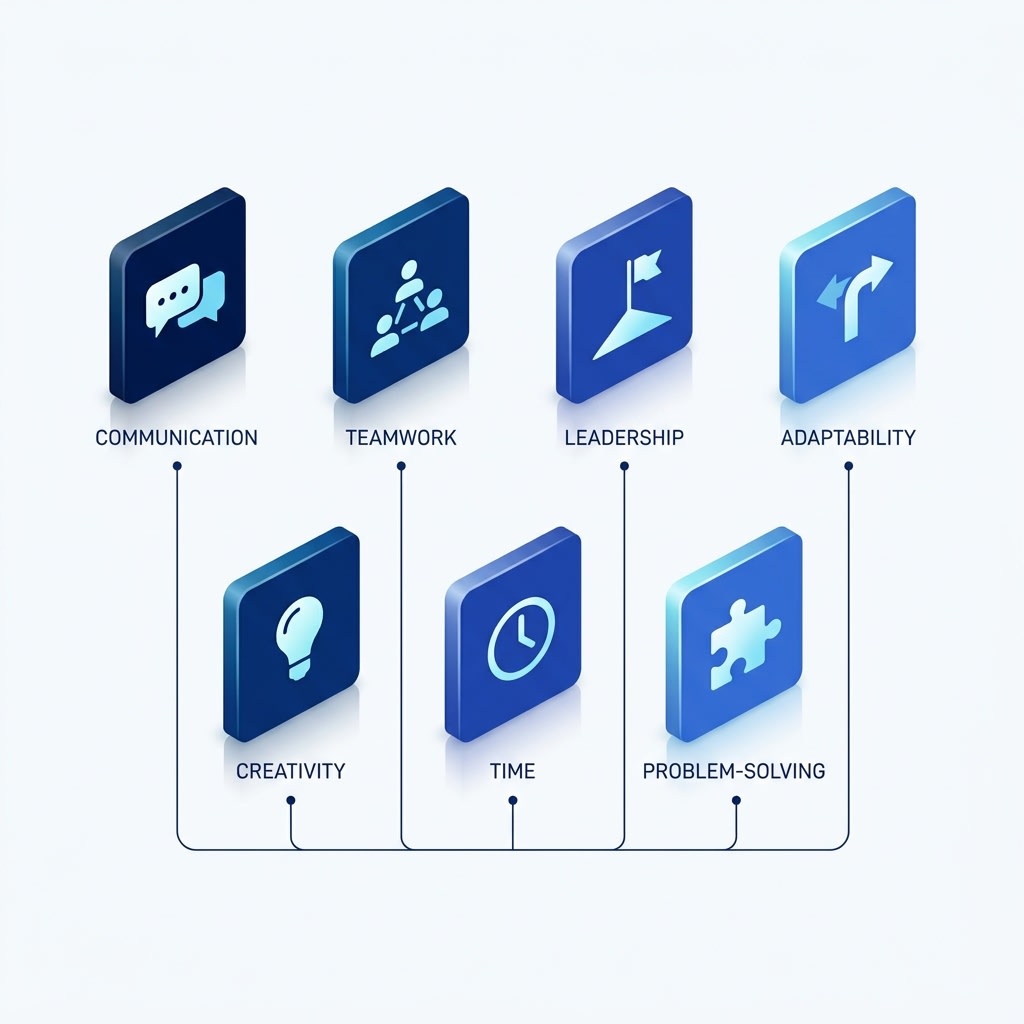
Here are the top 7 soft skills to stay ahead in today's market.
1. Communication
Effective communication is crucial in any job to build a strong relationship among employees, clients, and stakeholders, whether it's explaining complex technical concepts to non-technical colleagues or collaborating with a team. Having a strong communication skill doesn't just help convey information, but also helps understand the needs of others and respond to feedback. It ensures everyone is on the same page. Examples of communication include:
- Active listening
- Written communication
- Nonverbal communication
- Verbal communication
- Presentation skills
2. Collaboration and Teamwork
Most jobs these days require you to work with others towards a specific goal. Soft skills like communication, collaboration, empathy, active listening, and conflict resolution help create a positive and productive work environment. Teamwork encourages creativity and shared ideas that can enhance job satisfaction. Examples of teamwork are:
- Collaboration
- Accountability
- Mediation
- Conflict resolution
- Trustworthiness
3. Leadership
Leadership isn't just about managing people; it's about inspiring and motivating them to achieve greatness. A good leader sets clear goals, communicates effectively and builds a culture of accountability. Employers value effective leadership because most employees work in teams. Skills like emotional intelligence and the ability to build relationships are key to effective leadership. Examples of leadership skills are:
- Strategic thinking
- Problem solving
- Conflict management
- Delegation
- Empathy
4. Adaptability
The job market is constantly evolving. Being an employee who is quick to learn new tools, follow up with the latest trends, and adjust to changing roles is essential for staying relevant and thriving in your career. Some examples of this skill are:
- Flexibility
- Growth mindset
- Resilience
- Analysis
- Adjusting to feedback
5. Creativity
In this modern era of AI, employers value people who can think outside the box, and approach problems in an innovative way. Creativity requires a mix of curiosity, risk-taking and willingness to embrace uncertainty. It also helps organizations develop new ideas or products that set them apart from other organizations. Examples are:
- Experimentation
- Curiosity
- Brainstorming
- Imagination
- Originality
6. Time Management
Time management is the ability to prioritize, organize tasks and allocate time across these various tasks and responsibilities, to ensure efficient use of one's time. Most employers seek individuals who know how to prioritize tasks, handle multiple projects, and meet deadlines without micromanagement. A good time management skill such as prioritizing can help you avoid doing the wrong task at the wrong time. Examples of ways to manage time:
- Planning
- Delegation
- Prioritization
- Goal-setting
- Time blocking
7. Problem-Solving
While technical skills are necessary for solving problems, this soft skill helps approach problems from different angles and find innovative solutions. Most employers value individuals who can come up with creative solutions when faced with challenges, rather than constantly looking for supervision. Examples of problem-solving skills are:
- Critical thinking
- Analysis
- Strategic thinking
- Initiative
The Role of Technical Skills
Technical skills, also referred to as "hard skills", are a set of technical knowledge or abilities that are learned or acquired through various life training or experiences such as formal education and career training, unlike soft skills that can be learned through interaction with others.
Mastering technical skills does not only help you enhance your expertise but also boosts your confidence and effectiveness at a professional workspace, thereby enabling you to tackle tasks and contribute meaningfully to your team and organization. Employers today are looking for individuals who do not only excel in their specific field but are flexible and versatile in adopting new technologies.
5 Most in Demand Technical Skills in Today's Market
1. Data Science and Analytics
Data scientists are in demand by employers all over the world. Employers need data scientists to help them analyze and interpret large datasets. Data scientists are also in charge of helping organizations make data-driven decisions. This process requires a thorough understanding of data structure and algorithms using techniques, methods, and tools like SQL, SAS, Tableau, Excel and others to improve business outcomes.
2. Programming Language
These are formal sets of instructions that enable developers to communicate with computers effectively, to produce various kinds of outputs. For example, Python is really good for beginners and data analysis, while Java is often used for building large applications. Basically, programming language helps us to translate our human ideas into something that computers can understand.
3. Cybersecurity
The rate of cyber attacks and data breaches is increasing, so the demand for cybersecurity becomes the priority of many companies in today's digital era. Individuals with this expertise stay up to date with the latest technologies and tech trends. They help companies protect sensitive data from hackers.
4. Software Development
Software engineers are in high demand by software-driven business owners. Their ability to manage a project from scratch through to deployment makes software developers among the most sought-after in the job market.
5. Project Management
Technical project management involves the process of planning, executing, and overseeing a project to achieve specific goals within a defined timeframe and budget. Project managers are in demand in today's market to ensure that projects are completed successfully, on time, and within a given budget. This skill involves several components, from developing a detailed project plan, implementing the plan by delegating to team members, monitoring and tracking the progress and performance, to finalizing all activities and closing the project.
The Balance Between Soft and Technical Skills
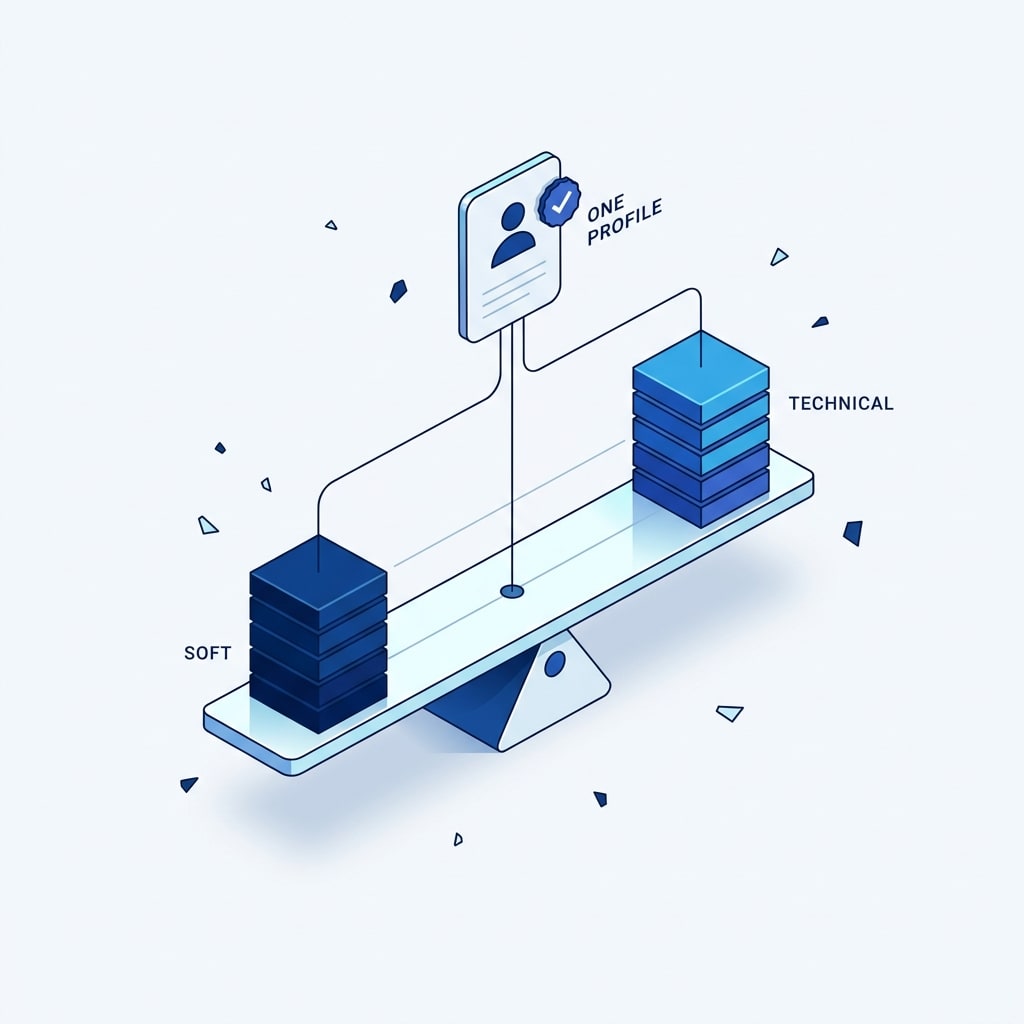
Having a balance of soft and technical skills in today's job market is a plus. They do not just complement each other but contribute to the effectiveness of performance in the workplace. For example, a software developer would need to have a blend of their technical skill together with some soft skills like communication, teamwork, and empathy in order to communicate in detail to non-developers in the team.
While your technical expertise allows you to perform your job tasks, soft skills enhance your ability to work with others, adapt to changes, and lead projects effectively. When combined together, they drive innovation and success in any organization.
Tips and Strategies for Improving Soft Skills
Improving your soft skills can greatly enhance your personal and professional growth and make you a top candidate for job roles. Here are some tips and strategies to help you develop these essential skills.
- Practise active listening
- Seek feedback
- Engage in team activities
- Read and learn
- Practise public speaking
- Set goals
- Be open to changes
- Develop empathy
- Manage your time
- Stay positive
By constantly working on these strategies, you can improve your soft skills and become more effective in both your personal and professional life. You can read more on 7 ways to sharpen your soft skills.
Parting Reflections
Soft skills are just as relevant as technical skills in today's job market. These skills foster a positive work environment and enhance collaboration. On the other hand, technical skills such as programming languages, cybersecurity, and data analysis are crucial for performing specific tasks and achieving technical goals.
Together, these skills create well-rounded professionals who can excel in their role, contribute to their team, and adapt to the evolving demands of the job market. By continuously developing both skills, you stand a chance to stay competitive and thrive in your career.
About FUSE Varsity
FUSE Varsity is an across-the-board varsity for individuals seeking to equip themselves with the essential skills and knowledge needed to thrive in the ever-evolving landscape of the future of work. Be a FUSE Scholar here.

